
Your breakfast buffet is the problem

The marketing world had a big week.
Not “quarterly earnings” big. structurally, historically, things-will-not-go-back big.
Meta just became the world’s largest advertising platform. Google redesigned search for the first time in 25 years. Food officially overtook beaches as the primary reason people choose where to travel. And brands are signing creators the way they used to sign athletes. Here is everything you need to know.
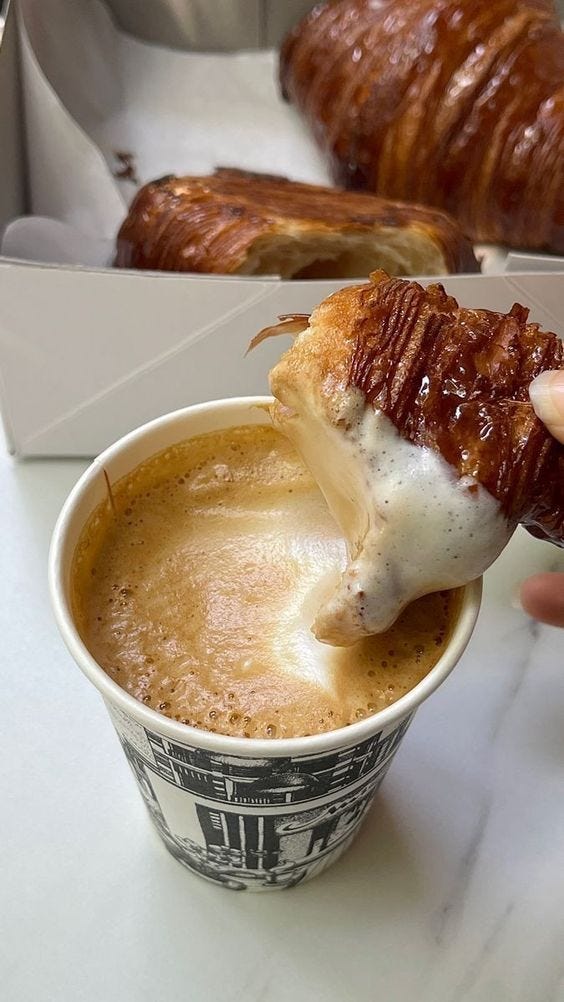
Travel x Food:
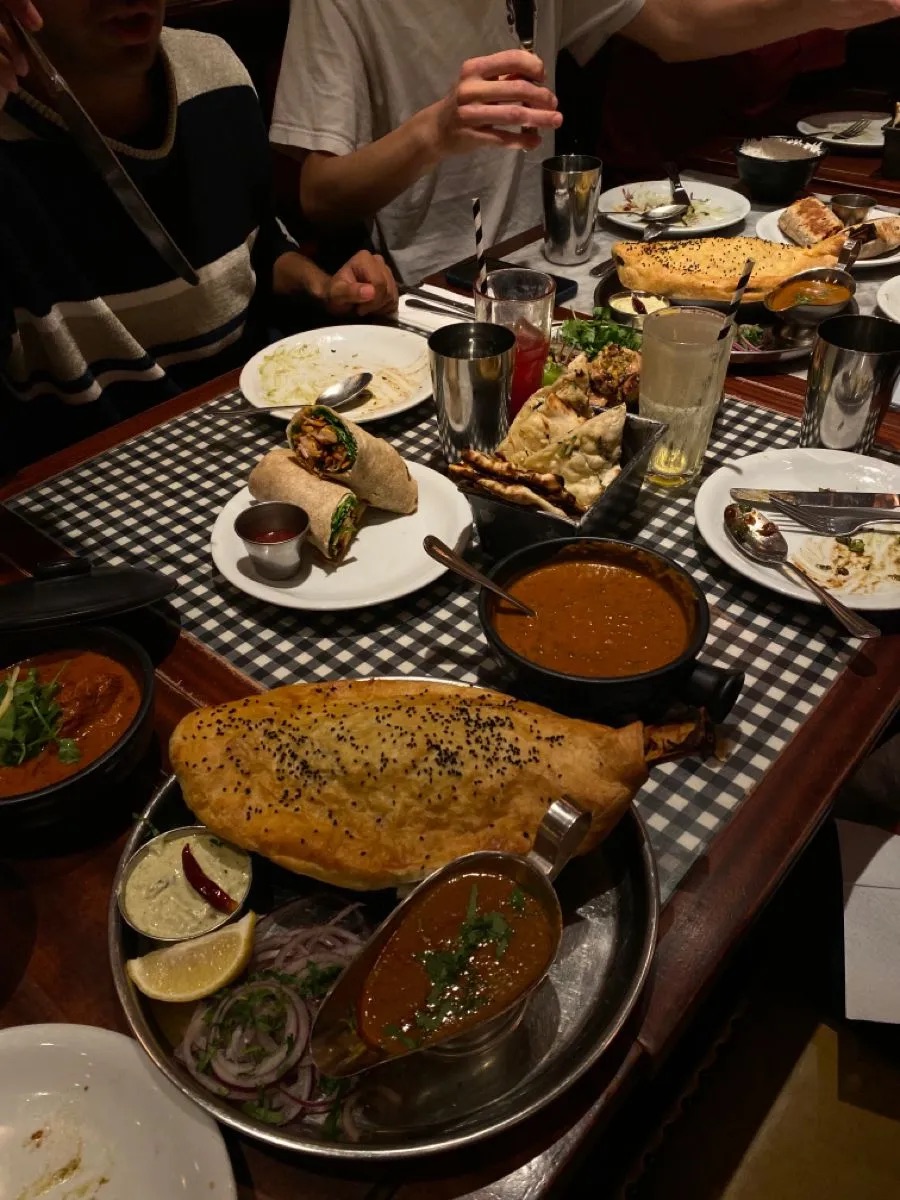
Nearly 80% of travellers now say food is the most important when choosing where to go– putting cuisine on par with price, location, and reviews.
Yep.
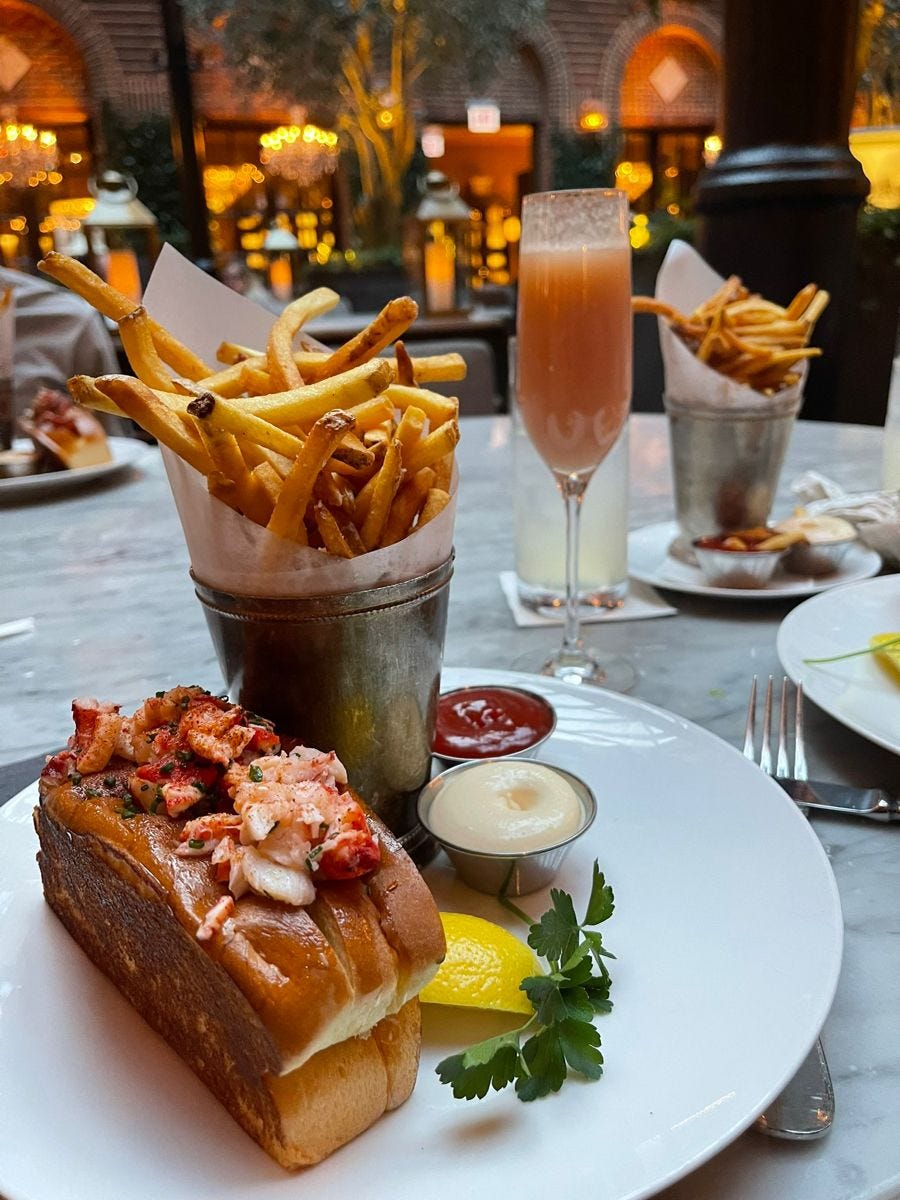
That is the most important marketing insight the travel industry has produced this year.
It means that a hotel, a city, or a destination that cannot answer the question “WHAT WILL I EAT??” is losing bookings to one that can.

What this looks like in practice:
- 68% of travellers say sampling local food is the best way to understand a culture.
- 54% say grocery shopping in a foreign city makes them feel like a local, not a tourist.
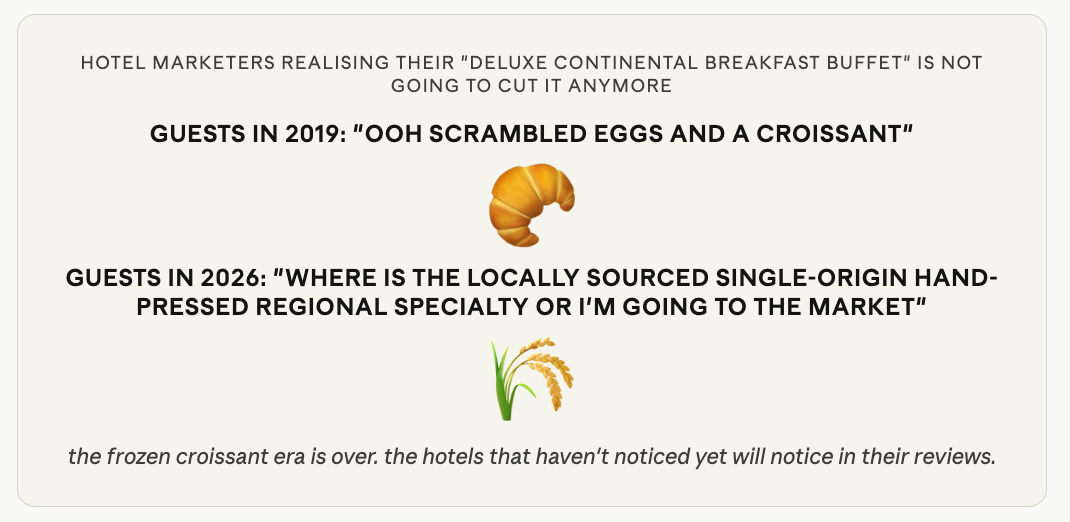
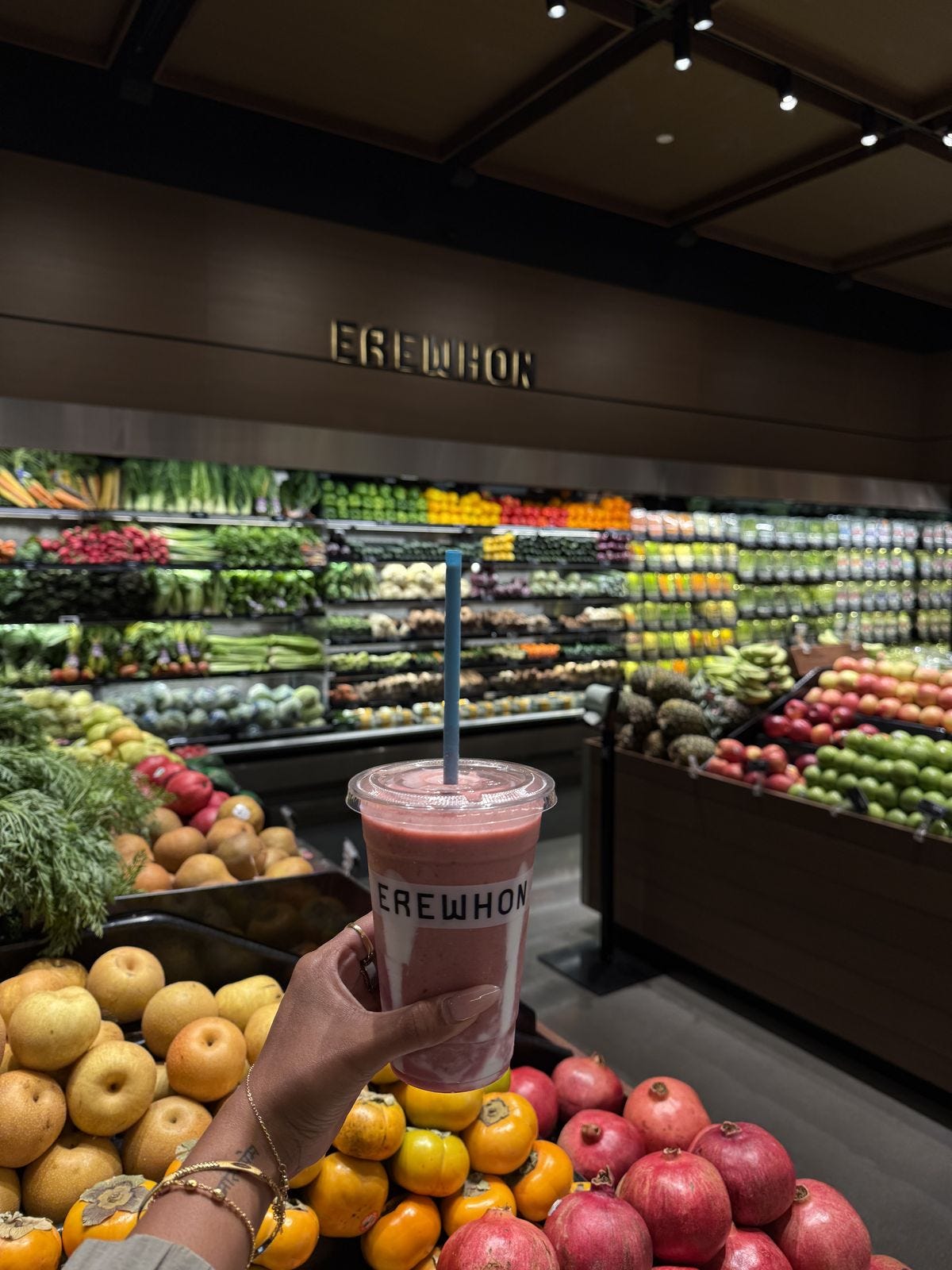
Nearly half enjoy a good corner shop snack as much as a restaurant.
The new travel souvenir is not a fridge magnet. It is a carry-on bag full of regional oatmel quinoa cookies, hot sauces, and things you found in a supermarket aisle at 10 pm and could not name but bought anyway.
For hotels and travel brands, the marketing implication is direct:
If your food offering feels like it could exist anywhere in the world, you are 10000% invisible.
The properties winning right now are the ones building food into the centre of their brand story- not as an amenity, but as the #1 reason to come.

Big Tech:
For the first time in digital advertising history, Meta has overtaken Google in global ad revenue.
Meta is forecast to hit $243 billion in worldwide ad revenue in 2026. Google comes in at $239 billion. The gap is just under $4 billion.
To understand why this matters:
For two decades, Google was the answer to every advertising question.
Meta, meanwhile, was the place you went to argue with your mom and watch videos of dogs. That’s NO longer the story.

Meta’s ad revenue grew 33% in Q1 of this year alone, driven by Reels, AI-powered targeting, and the fact that Instagram is now where the world shops, discovers, and decides.
The blunt version: If your brand still thinks Google is the most important platform for reaching people, this is a good week to reconsider that assumption
Marketing:
Creator marketing is officially a $44 billion industry in 2026– up from $29 billion in 2024.
The old model: find a creator with a big audience, pay them for one post, hope it goes viral, repeat.
The new model: sign a smaller set of creators to long-term multi-quarter retainers, give them equity, embed them in product development, and treat them like a media channel.
Only 29% of marketers are still chasing celebrity partnerships.
2% are working with both macro and micro-influencers. And the fastest-growing line item is not the creator fee- it is paid amplification:taking organic content that already works and scaling it with targeted spend.
The insight is simple: If a creator’s audience already trusts them, you are not buying reach. You are buying credibility. That is worth more than a billboard and everyone has finally caught up to it.

Food:
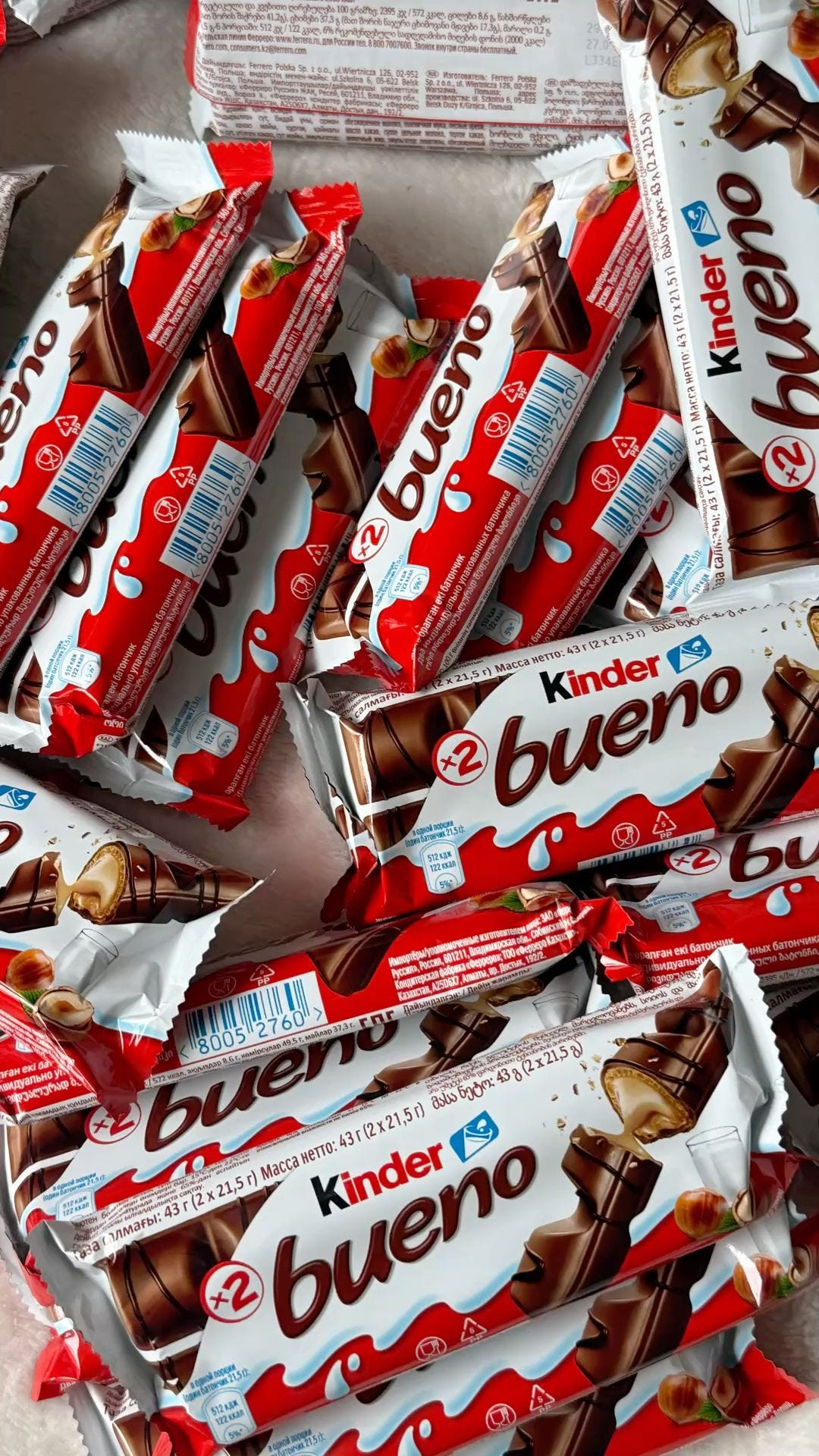
Kinder Bueno staged a takeover of the Sphere in Las Vegas this week- the $2.3 billion MSG venue that is essentially a giant round screen- featuring an animated claw machine as part of its “Yes, Bueno” campaign, timed to the annual Sweets & Snacks Expo.
A claw machine. On the Las Vegas Sphere. For a chocolate bar.
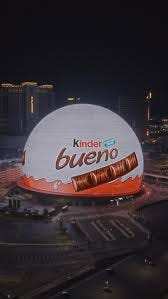
This is either the most ridiculous use of an entertainment venue in history or the best brief ever written. Probably both.
In a week where Meta and Google were making billion-dollar structural moves, the most talked-about campaign was a candy brand that put a giant arcade game on the side of a building in the desert.
Sometimes the simplest idea wins. Sometimes the simplest idea costs $2.3 billion in venue rental. The line between the two is very thin and Kinder Bueno found it.
Quicker Bites:
- Nvidia briefly hit a new market cap milestone, reinforcing AI as the dominant tech trade.
- India continues to attract global manufacturing as companies diversify supply chains away from China.
- OpenAI is expanding enterprise partnerships as businesses accelerate AI adoption.
- United Kingdom housing prices are stabilizing.
- LVMH flagged softer demand in parts of the luxury market, signaling a broader normalization post-boom.



Leave a Reply