This Week💡: The Bubble is Wobbling
“ The only newsletter where I actually learn something useful instead of just feeling anxious about the news.” – Lindsay, paid reader.
If you need to reach us, just reply to this email. We read everything.

Sponsored By:


Good morning everyone.
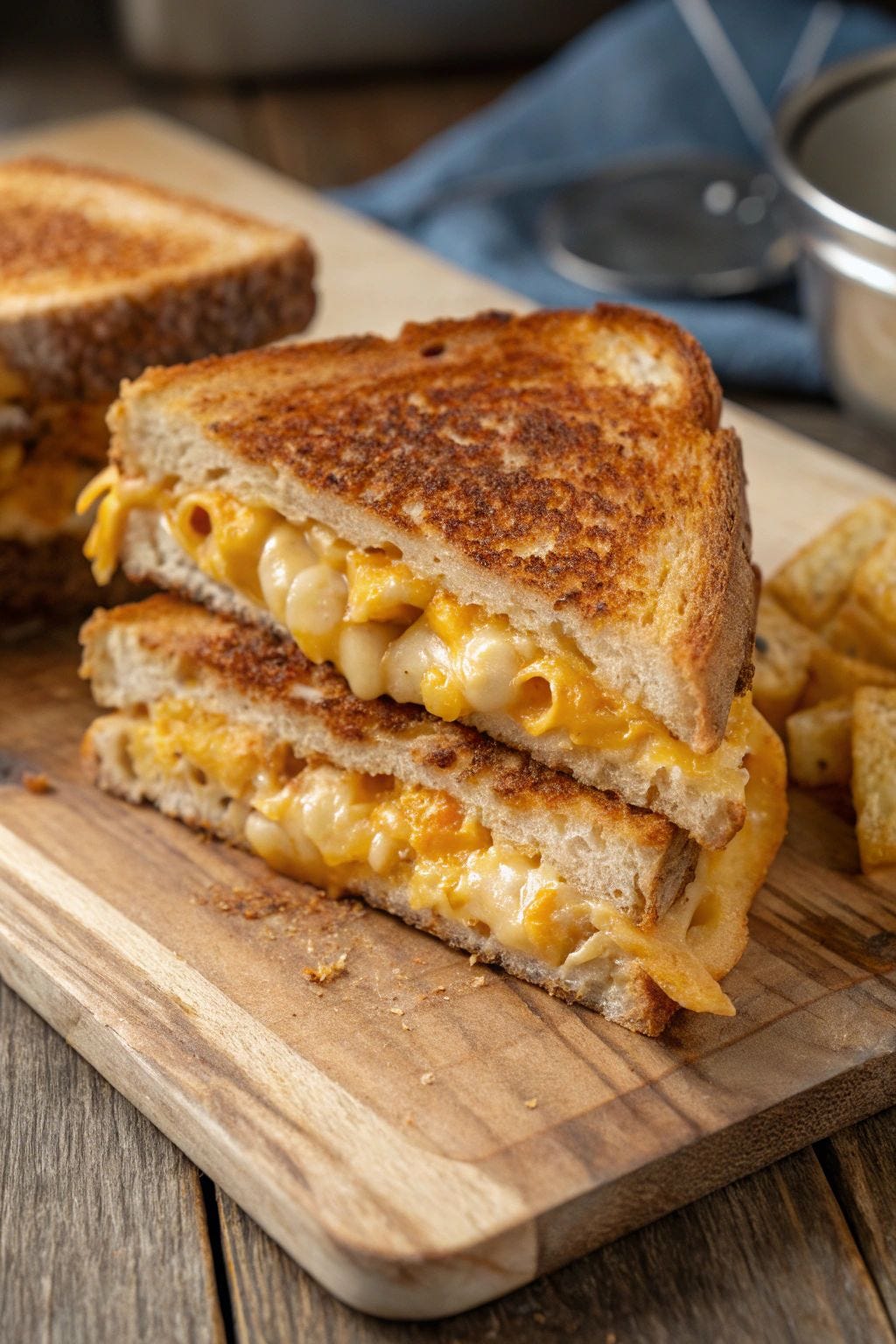
We can confidently tell you luxury brands are panicking today because we just watched Kraft Heinz announce high-protein Mac & Cheese while Iran & the US are actively at war and oil prices are SPIKING. 🧨
It’s the kind of mindf**k that makes you realize we’re living during seriously unhinged times. Like when you’re refreshing news about missile strikes and then immediately see an ad for “PowerCheese with 17g protein!” The duality of modern life is WILD🤯
Ok, now let’s get into it.
Here’s what mattered this week:
Quick Bites:
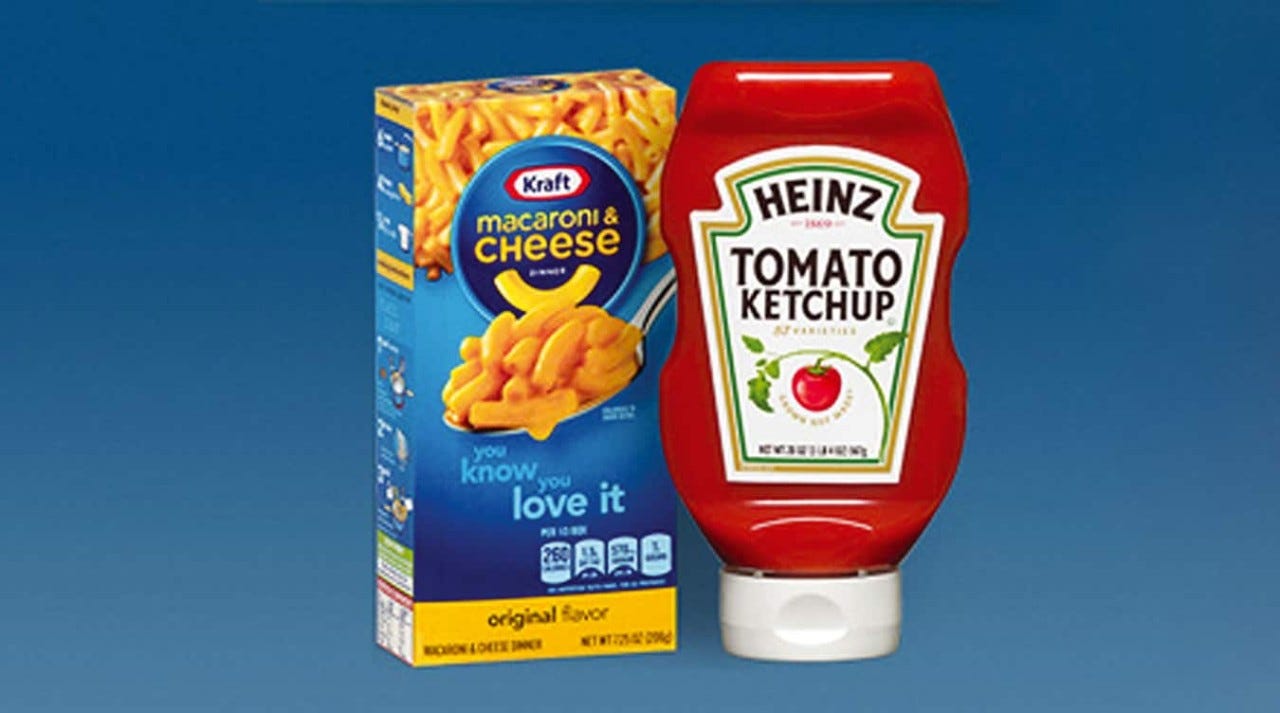
KRAFT HEINZ IS MAKING MAC & CHEESE… HEALTHY?
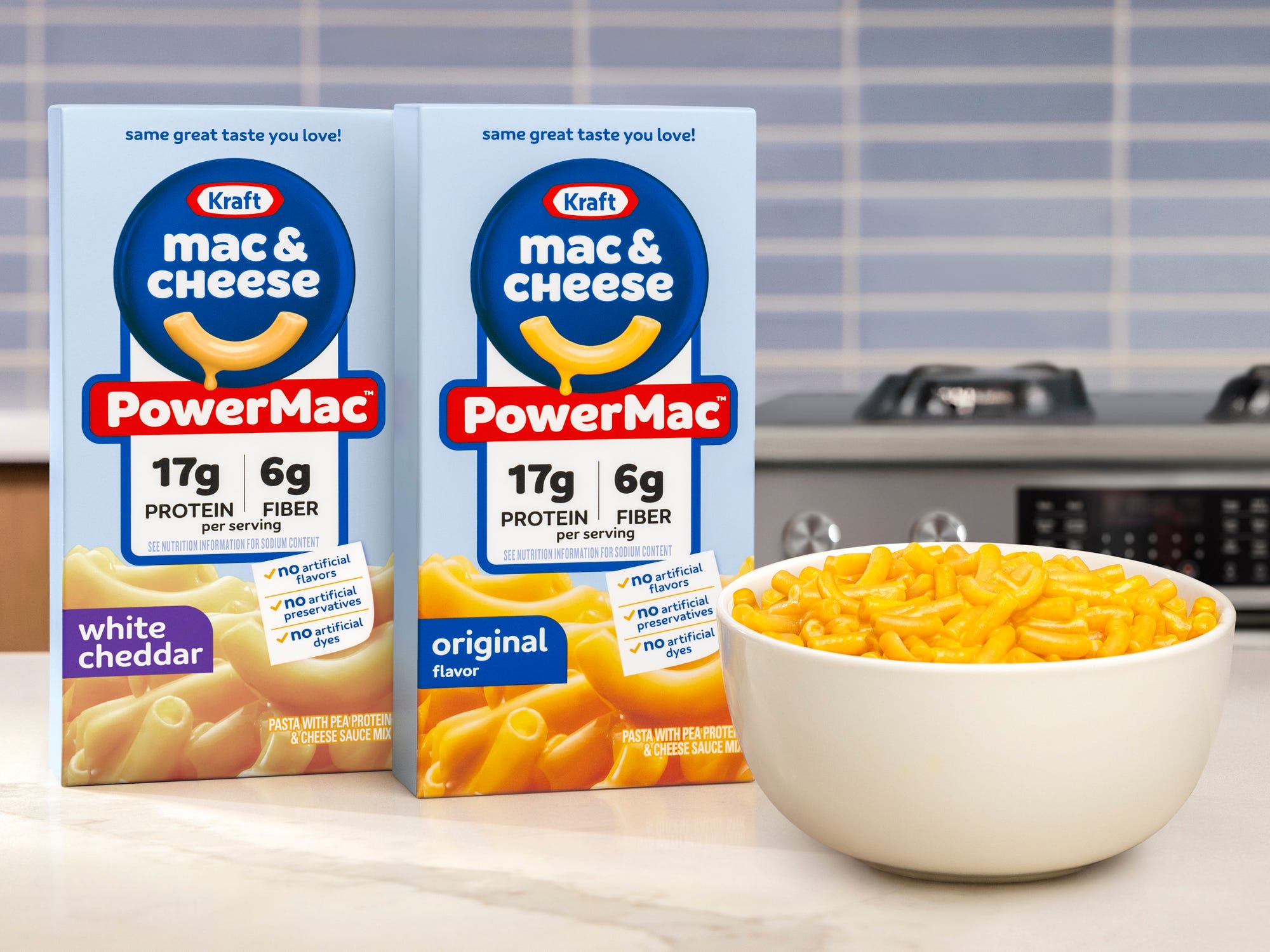
Kraft Heinz is launching “PowerMac” in April- high-protein mac & cheese with 17 grams of protein and 6 grams of fiber per serving.
Available in Original and White Cheddar flavors globally.
Also coming: snack-size Lunchables and a low-sugar Capri Sun hydration drink with electrolytes.
Why now?
The packaged food industry is trying to cope with a change in dietary preferences toward healthier foods, accelerated by the fast adoption of GLP-1 weight-loss drugs.
People are eating less, craving differently, and becoming far more conscious of what they consume.
For companies built on large portions, comfort food, and repeat snacking, this is a structural problem.
And this is where Kraft Heinz stands out- and not in a good way.
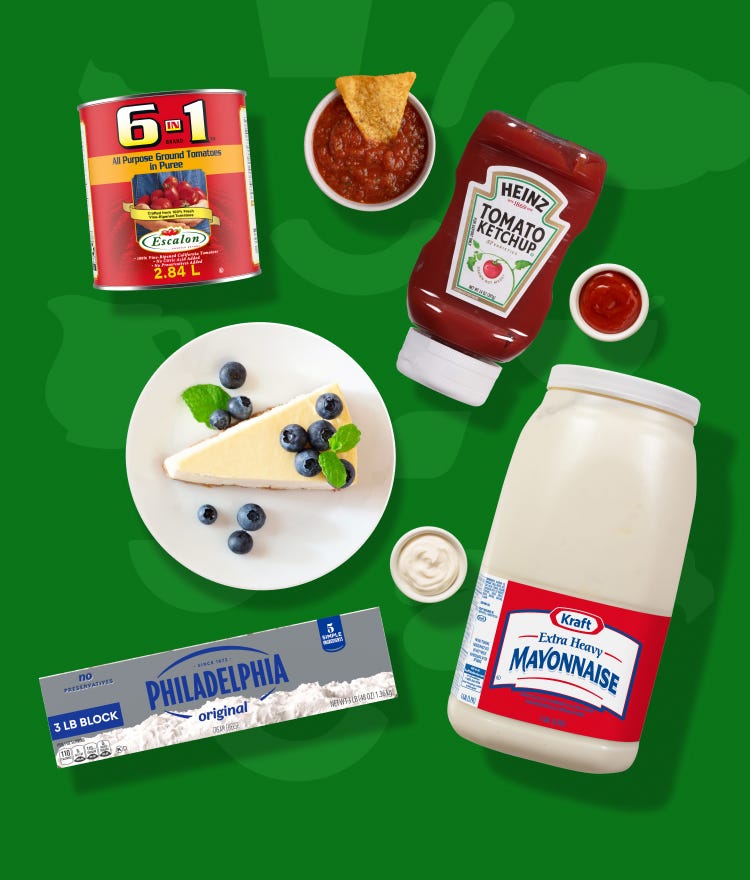
The company is heavily reliant on legacy brands and products that don’t naturally fit into this new way of eating. While competitors have been repositioning toward “better-for-you” offerings, Kraft Heinz has been slower to adapt.
In short:
The industry is changing fast- and Kraft Heinz is yet to catch-up.
THE IRAN WAR (in 30 seconds)
On February 28, Iran’s supreme leader was killed. Iran has fired over 500 ballistic missiles and almost 2,000 drones since then. At least 1,444 killed, 18,551 injured.
The White House claims Iran’s missile capacity is “functionally destroyed” but Iran is still firing missiles.
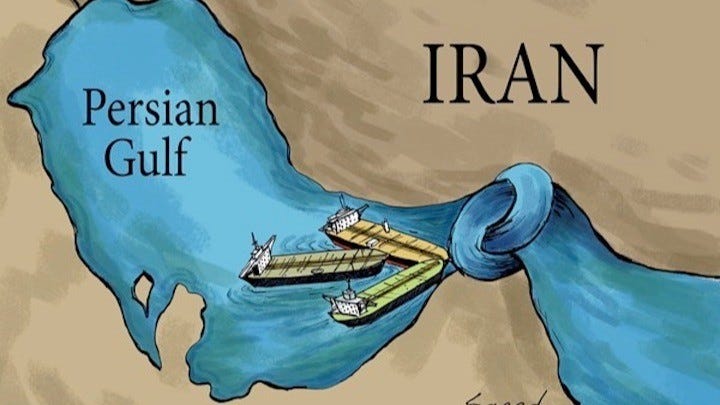
Oil prices have surged, and movement through the Strait of Hormuz, one of the world’s most critical shipping routes, is now disrupted.
This week, senior Iranian official Ali Larijaniwas also killed, adding to the instability at the top level of leadership.
Iran’s foreign minister has stated clearly that they never asked for a ceasefire, signaling that the conflict is not winding down- it’s intensifying.
BIG TECH x HEALTHCARE
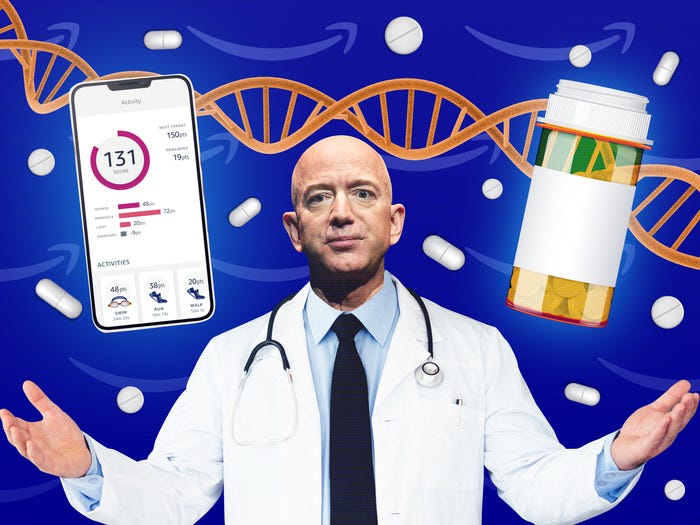
Amazon launched Health AI offering free 24/7 virtual care for Prime members. Microsoftlaunched Copilot Health to bring together health records, wearable data, and health history.
Salesforce announced six new AI tools for medical industry on March 5.
Here’s what’s actually happening:
- Amazon’s Health AI is accessible directly on the Amazon website and app– you don’t need a separate healthcare app anymore. It’s literally next to where you buy toilet paper.
- Microsoft’s Copilot Health was developed with input from an internal clinical team from +24 countries. They’re not just tech people building this- actual doctors are involved.
- 61% of medical technology respondents said they’re using AI for medical imaging, while 57% from pharmaceutical and biotechnology said drug discovery is being driven by AI.
- Patients aren’t waiting for permission- they’re already running their doctor’s notes and lab results through ChatGPT.

The fact that Amazon, Microsoft, and Salesforce all launched healthcare AI tools within days of each other in March 2026?
That’s not a coincidence. That’s a major health play.
LUXURY IS FINALLY BEING FORCED TO DELIVER VALUE
20% of high-net-worth individuals intend to spend less on designer fashion over the next 12 months.
For leather goods, 30%. Jewelry, 32%. Watches, 44%.
Between 2023 and 2025, roughly 75–80% of luxury market growth came purely from price increases, not from selling more products.
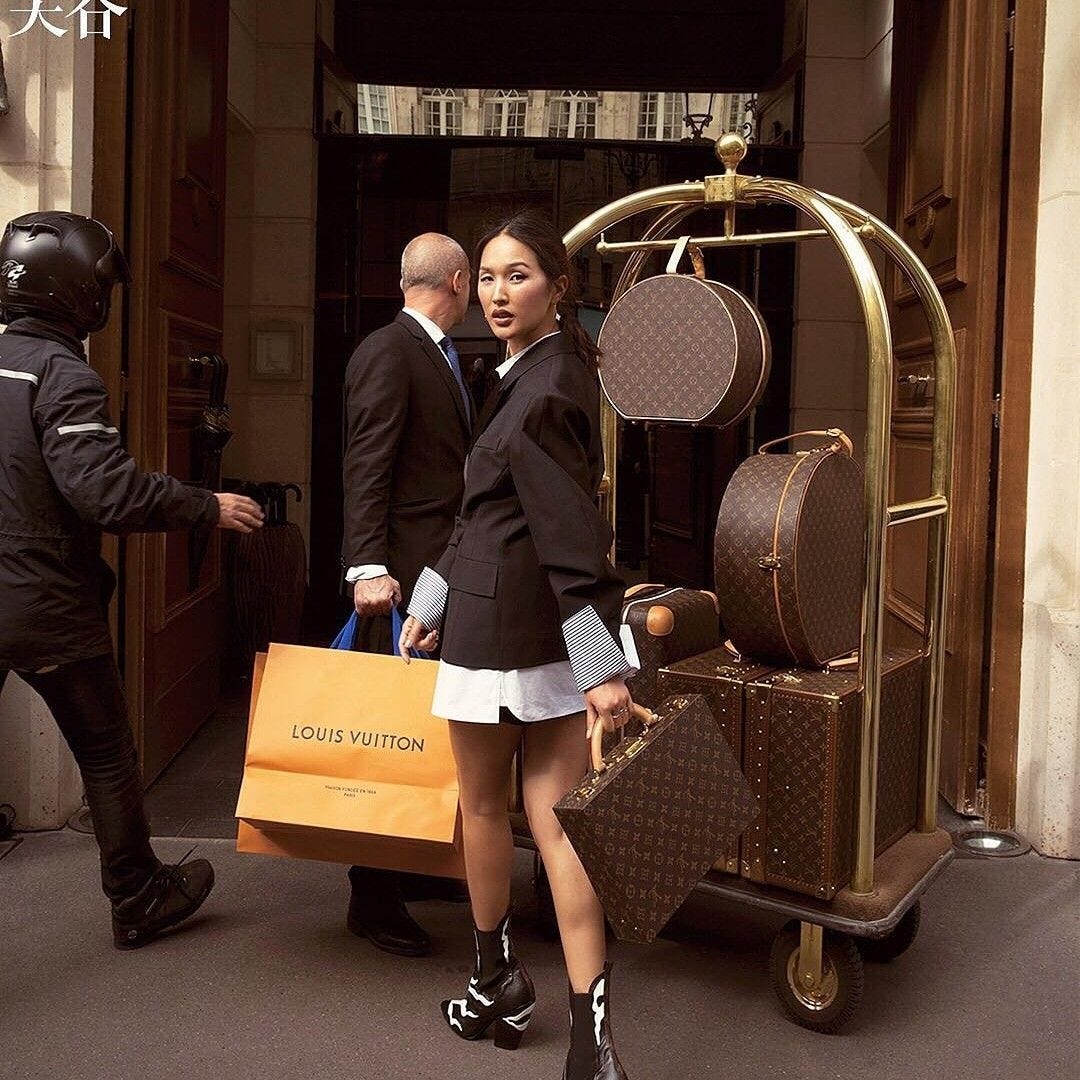
In fact, according to Bain & Company, volume growth across many luxury categories has been flat or even declining, while brands pushed prices up anywhere between 20–40% on core items over the past few years.
That strategy worked for a while. But now, there are clear signs of fatigue:
- Entry-level luxury consumers are pulling back
- Aspirational buyers (who drove much of the growth post-2020) are slowing spending
- Even top brands like LVMH and Kering have reported weaker demand in key markets like China and the US

You can’t keep raising prices if:
- The product hasn’t meaningfully changed
- The experience doesn’t justify it
- And the customer is starting to notice
Luxury, for the last few years, has been able to rely on perception-driven pricing– increasing cost and calling it “exclusivity” or “brand equity.”

1 in 8 adults is now on Ozempic- and the downstream effect is already measurable: Dinner traffic at restaurants is down 6% among regular users. Snacking is down 70%. Chefs are redesigning menus around smaller portions.
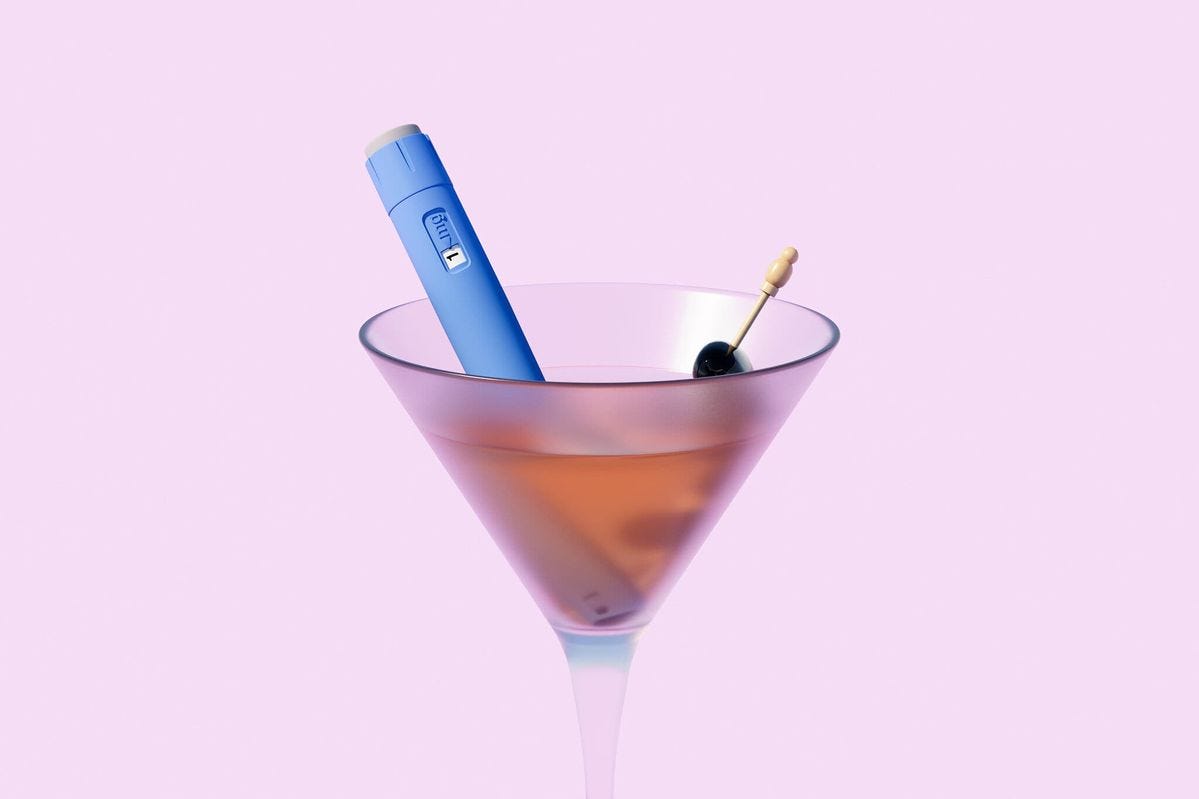
A bar in New York now offers a “Teeny Weeny Mini Meal”– mini burger, mini fries, mini beer.. which is either a clever business pivot or a sign that we’ve given up on happiness. Possibly both.
Additionally..Oil is up 50% because 15 minutes before Trump announced a pause on Iran strikes, someone placed a $500 million bet on falling oil prices..🤯
Basically everything you spent money on this year already is either worthless, sold out, or under investigation.
Saks Fifth Avenue has a new lesson for the Luxury industry.
The department store which had a spectacularly bad 2025 driven by unpaid invoices and chaotic operations filed for bankruptcy earlier this year.
Former Neiman Marcus CEO has been brought in to lead the restructuring, which vendors are cautiously treating as a hopeful sign.
Big names like Chanel and Kering are owed substantial sums and expected to recover well; smaller brands are in a less comfortable position.
The underlying story here is important: between 2023 and 2025, roughly 80% of luxury market growth came from price increases, not volume gains.
Lesson: You CANNOT raise prices to make up for actual creativity, quality, or customer trust. The industry is now finally facing that. 👋

Travel ✈️ : Gen Z does not want to stay at the Nobu.
You can now book an overnight stay at “Thrushcross Grange”– the estate from Wuthering Heights– as part of a growing push toward fiction and film-inspired travel experiences.
This follows a run of similar launches: the Airbnb from the The Bear, the Successionestate experience, the White Lotus resort partnership.

The pattern is clear. Gen Z does not want to go to a hotel. Gen Z wants to sleep inside the plot of a book they read in school and post about it.
As a business model, this is genuinely clever: it converts IP nostalgia into room bookings without Airbnb needing to own any property.
As a cultural pivot, it is also very telling about what travel means now– less about the destination, more about the story you get to tell about being there.

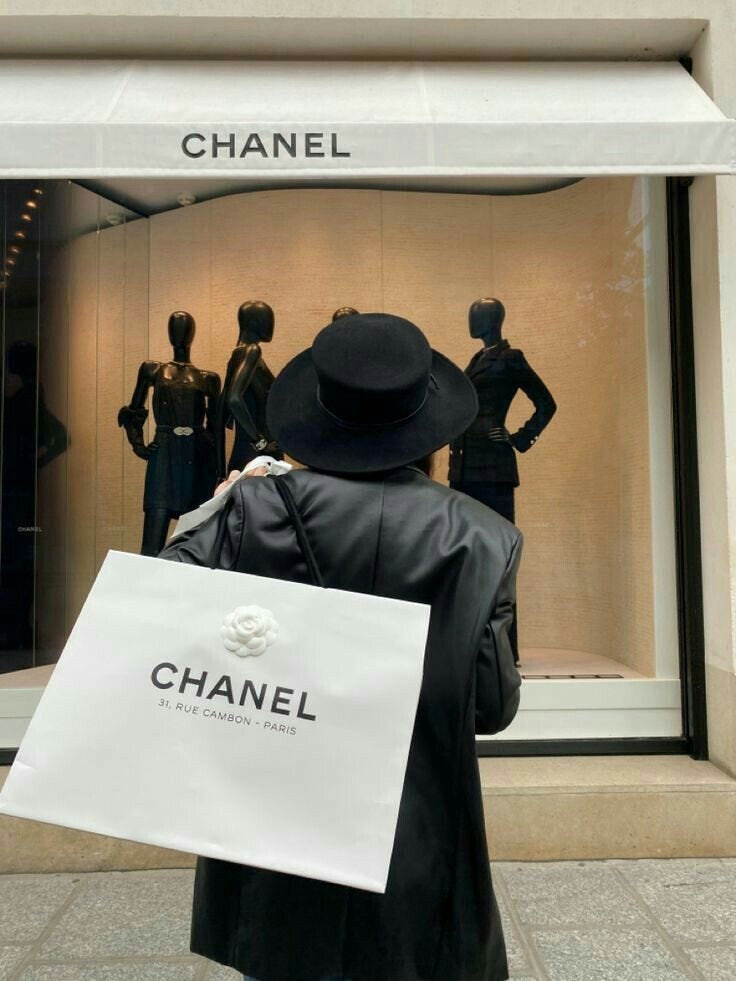
Fashion 💼 : Chanel causes a riot.
When the new collection hit stores this month, the queue outside Chanel’s Rue Cambonboutique in Paris was described by Vogue as:
“Grainy footage from Best Buy in the 90s when flat-screen TVs first dropped on Black Friday.”
Grown women- lawyers, executives, people with staff. Queuing. In Paris. For a cardigan. On a Tuesday.
Chanel is back and your dignity is optional.
Note☕️: You are one cappuccino away from:
- The Chanel riot that made grown women CRY on a Parisian street- and what it means for fashion
- The dirty secret about your Birkin that Hermès doesn’t want you to know
- The most exclusive ship ever built just set sail- here’s exactly what’s on it and what it costs
- Nobu literally bought its own private island in the Maldives. We have every detail.
- You can now sleep inside Wuthering Heights. Yes, really.
- The reason Kering is quietly moving its money- and why you should pay attention






Leave a Reply