

This Week in Review: Salads to get costlier | JP Morgan steals Apple card business from Goldman Sachs | 8.8 Earthquake rocks Russia | Fewer people are going to Starbucks as sales slump | NASA employee


Quick Bites:
Food & Drink: Warning: your salad dressing habit may be in grave financial danger as Olive oil prices to skyrocket.
The world’s biggest olive oil producer “Deoleo”, warns consumers could face double the prices if the proposed global tariffs go through, CNBC reports.

That’s right- a potential 30% tariff on EU olive oil imports could mean you’ll be paying OBSCENE prices just to sauté your zucchini.
“It is worth noting that approximately 95% of the olive oil consumed in the US is imported, so such policies will affect end users,” said Deoleo’s CEO Cristóbal Valdés.

Europe, and especially Spain where Deoleo is from, is the world’s top producer, top exporter as well as top consumer.
Us trying to make a salad with canola oil: “This is an act of violence.”

If these tariffs go into effect, American shoppers could see price hikes across the board- not just in gourmet aisles but in everyday pantry staples.
Irish whiskey firms, Italian cheesemakers and French wine producers are among those who have already issued warnings around the potential impact, CNBC.
Coffee: Starbucks fails to curb sales dump.
In its third quarter, Starbucks reported a 6th straight drop in global same-store sales.
That’s right, another quarter of fewer people buying $9 lattes to emotionally recover from their boss’s emails.
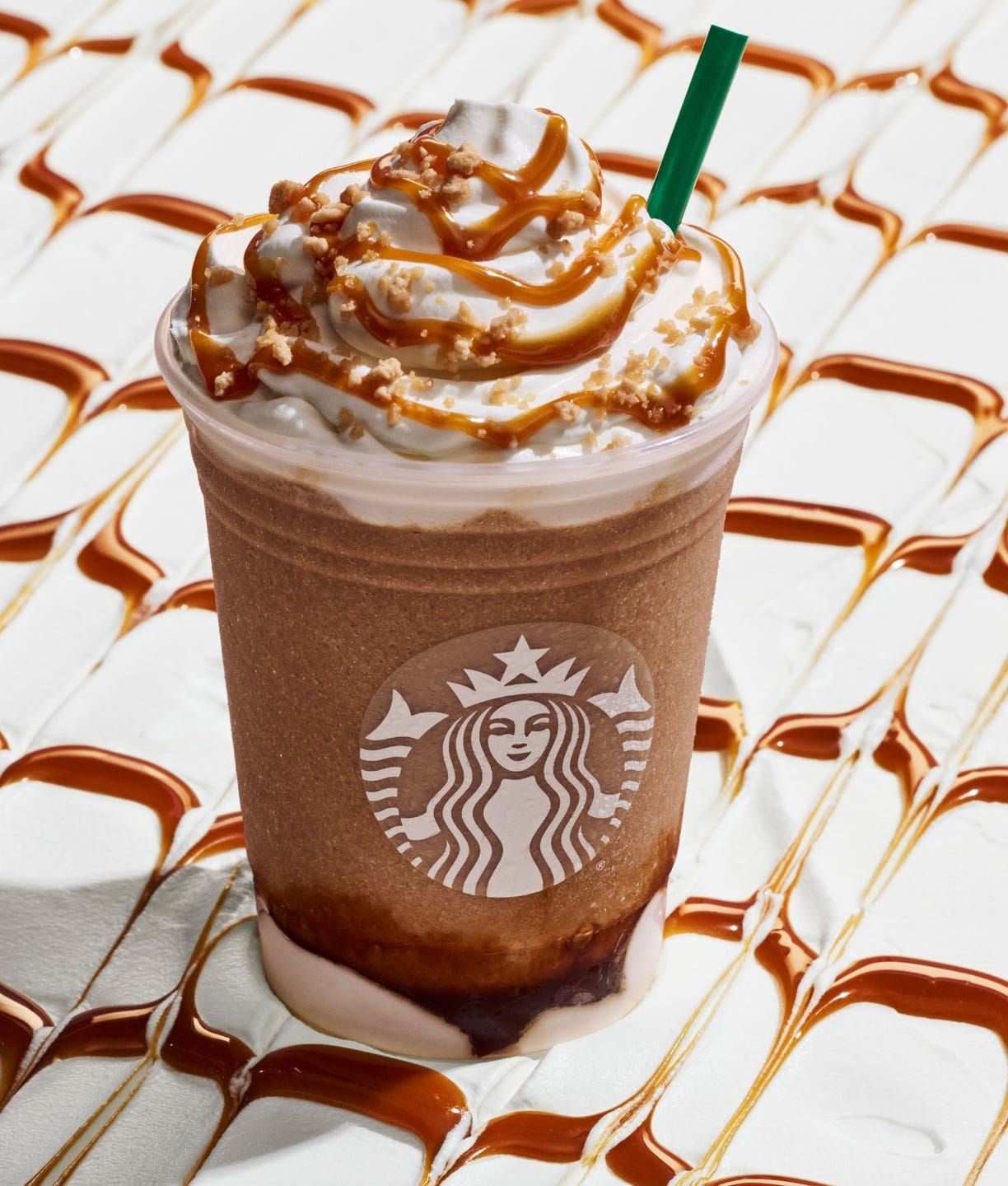
☕ “Us: We’re broke. Also us: Venti oat milk brown sugar shaken espresso, extra foam, less ice, please.”
Despite the Q3 numbers, turns out it’s not all doom and decaf.
CEO Brian Niccol says the company’s comeback plan is actually running “ahead of schedule”, even as global sales fell 2%– a bit worse than Wall Street had predicted.
Despite that, Starbucks still pulled in $9.5 billion in net revenue.
i.e: For those who never studied Econ 101, this means: Fewer people showed up overall, but those who did were spending.
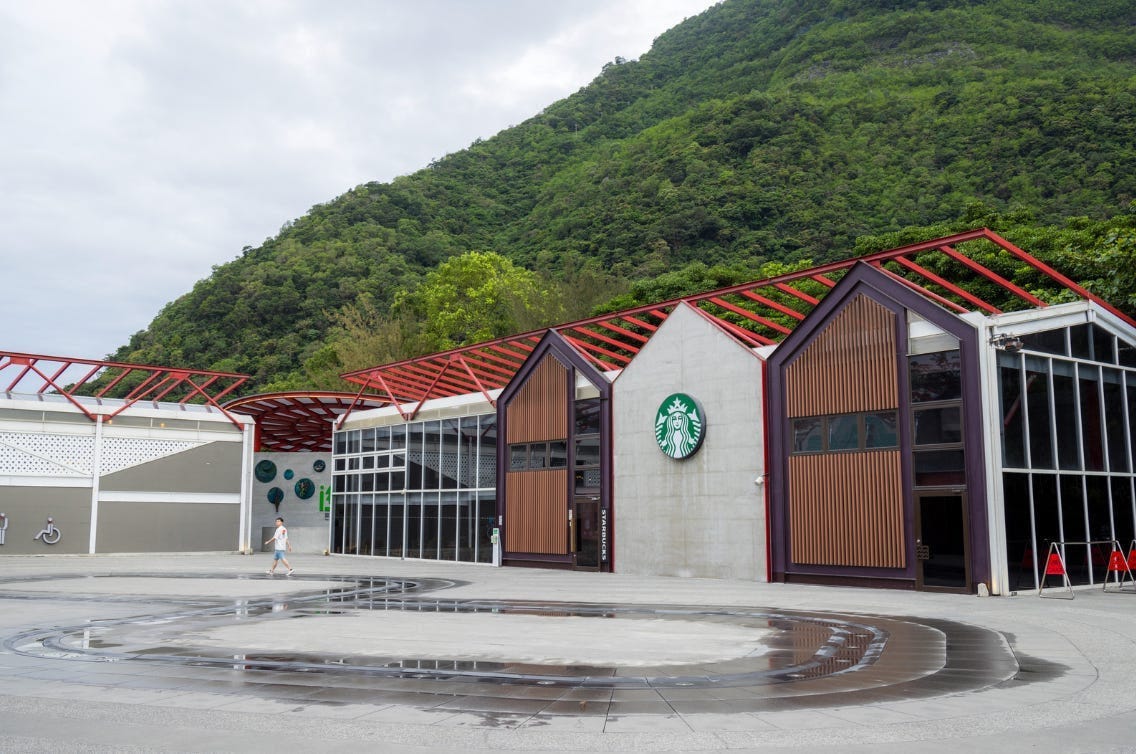
In addition, Starbucks announced it’s ditching those sad little pickup-only locations–you know, the ones that feel like an airport gate with espresso??
Instead, they are shifting back to cozy cafés where people can browse on their laptops, go on awkward first dates and existential dread.
Bottom line: Starbucks knows it needs more than just caffeine to stay relevant. It’s banking on community, ambiance, and a return to the good old days– when coffee wasn’t just something you grabbed, it was a personality trait.
Our Thoughts:
Speaking of Starbucks.. who are you?
Newbie– Matcha Latte
Fearless– Iced Blonde Latte
Chatty– Dragon Drink
Hot GURL- Caramel Nonfat Latte (IYKYK)
1980s baby– Iced Caramel Macchiato
Reputation– Nitro Cold Brew
Lover– Pink Drink
Folk music– Chai Tea Latte
Evermore– London Fog Tea Latte
Midnight girl– Chocolate Cream Cold Brew
The Tortured Poets Department– Espresso (and make it a double )
Space: NASA is losing thousands of employees.
Looks like NASA’s not launching rockets right now- it’s launching resignation letters.
In what’s shaping up to be the agency’s biggest mass exit since the moon landing got more replays than reruns of Friends, nearly 4,000 NASA employees have applied to leave their posts.
That’s around 20% of its total workforce.

In a first round of resignations, initiated in early 2025, about 870 workers accepted buyout offers.
In a second round that started in early June, about 3,000 more opted to leave, CBS News reports.
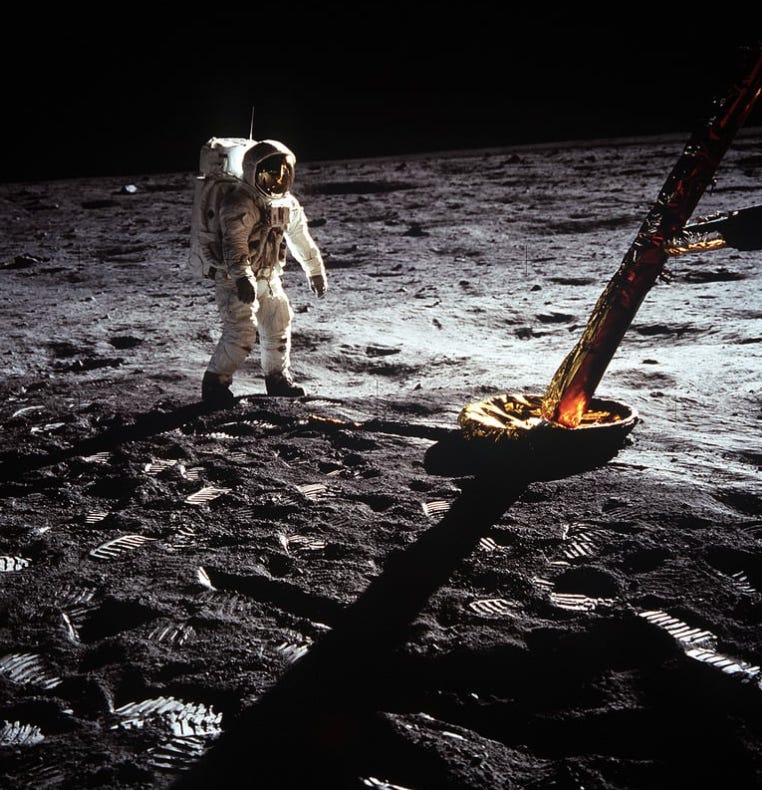
And here’s the irony: This whole exodus is happening just as NASA’s budget got a massive $10 billion boost, courtesy of a congressional earmark in Trump’s latest spending bill.
Some insiders say the exits reflect deeper tensions around long-term strategy, bureaucracy fatigue, and political interference. Others say the buyout offers were simply too generous to pass up.
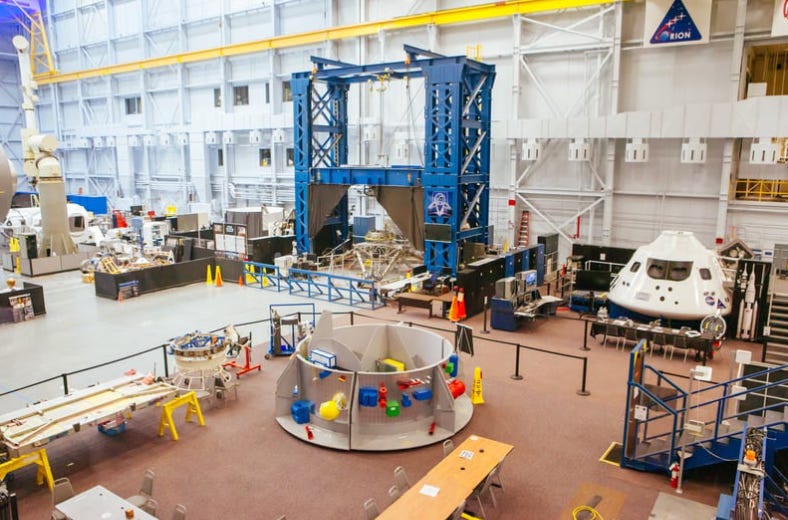
Either way, it’s not every day that a fifth of your workforce hands in their badges and floats away like Sandra Bullock in Gravity.
To recap:
- 🚀 4,000 NASA employees filed to resign
- 💸 Budget was just boosted by $10 billion
- 👋 20% of staff might be gone before launch
Our Thoughts: Let’s hope someone’s still around to steer the spaceship!
Finance: JPMorgan might be swiping Apple’s credit card biz from Goldman Sachs
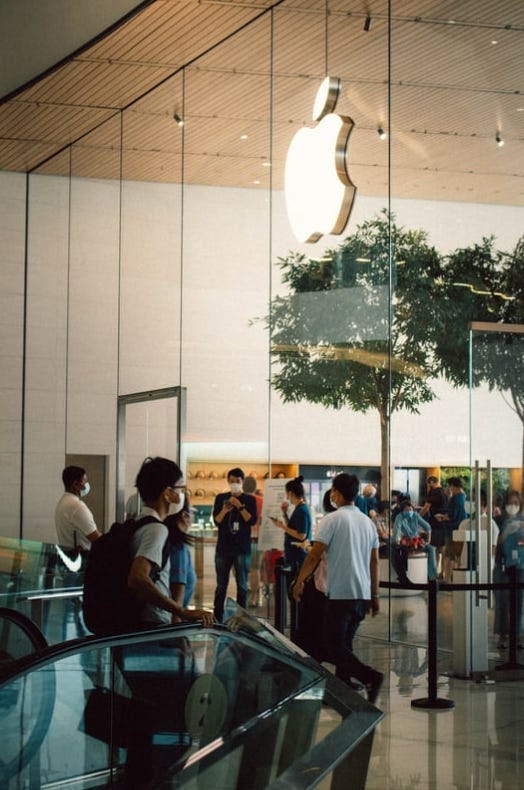
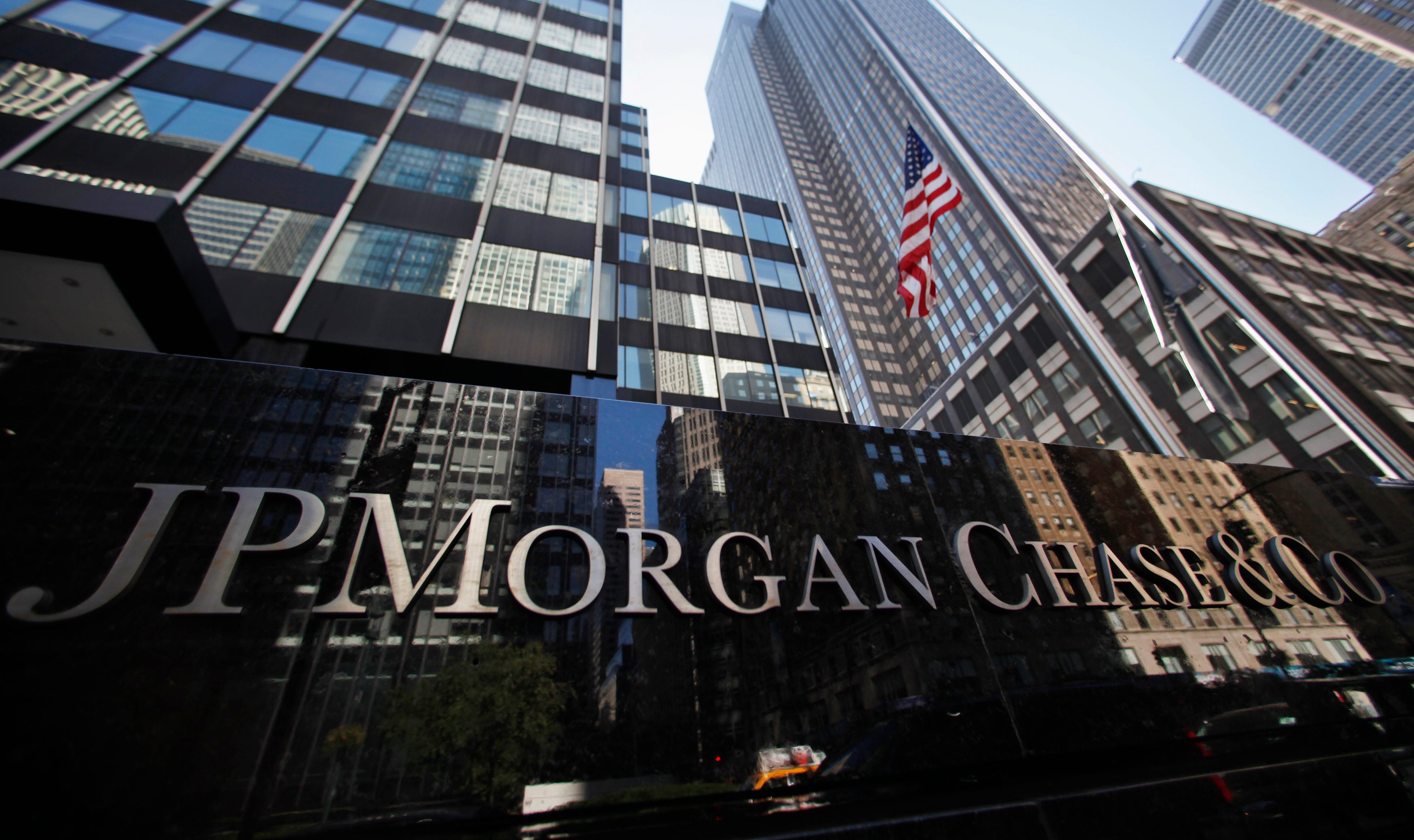
According to The Wall Street Journal, JPMorgan Chase is this close to sealing a deal to take over Apple’s credit card operations from Goldman Sachs.
Talks started back in early 2023 but have reportedly picked up steam recently. Nothing is finalized yet, but if this goes through, it could be “one of the biggest credit card deals ever”

Why the switch?
Goldman and Apple launched the Apple Cardback in 2019 as part of Goldman’s consumer banking push.
It was supposed to be sleek, simple, and as Apple as a titanium card can be. But behind the scenes, it was reportedly a headache for Goldman.They struggled with compliance issues, high operating costs, and customer service drama.
So, what’s in it for everyone now?
- Apple gets a partner with major credit card experience and a vast consumer banking infrastructure
- JPMorgan gets access to Apple’s fiercely loyal customer base of millions- aka the iPhone army who’d probably buy a $999 stapler if it came with AirDrop
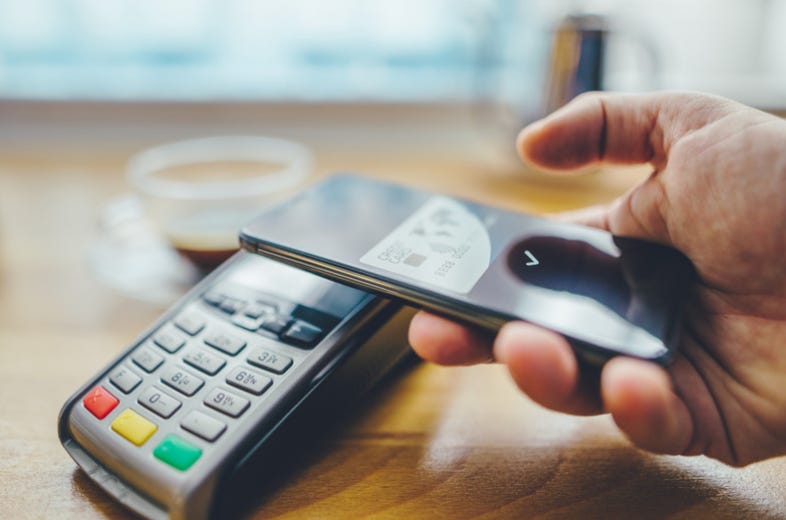
💳 iPhone users when they find out JPMorgan might give them points for buying iced carmael lattes and overpriced apps:
“Take my money, but make it rewardable.”
What’s next?
The deal isn’t locked in yet, but insiders say it’s moving in the right direction. Apple has also reportedly spoken to American Express, but JPMorgan seems to be the frontrunner.
World News: Russia experiences massive earthquake and aftermath continues.
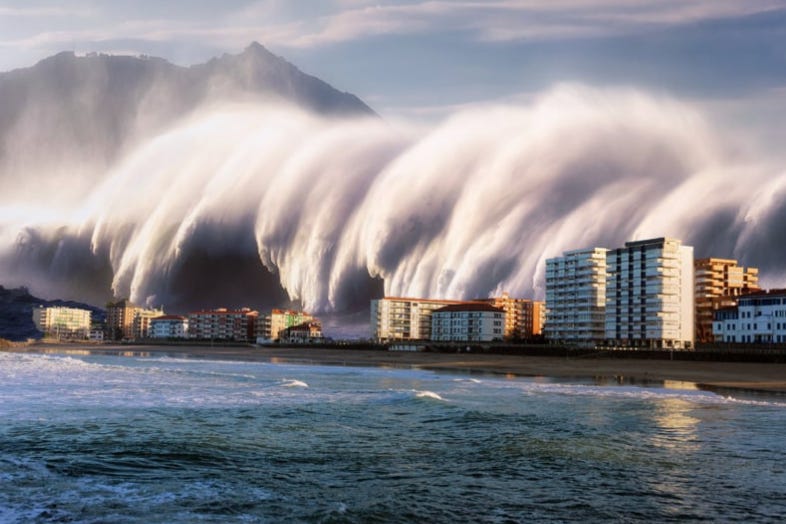
A powerful 8.8 magnitude earthquake struck Russia’s Far East early on Monday, triggering tsunami warnings across the Pacific and sending waves rippling toward the US West Coast.
Key highlights, reported by CNN:
- Epicenter: The quake hit near the Kuril Islands, a seismically active region between Russia’s Kamchatka Peninsula and Japan
- Time: The earthquake struck in the early hours local time, prompting immediate tsunami alerts in Russia, Japan, and the US.
- Depth: The quake occurred at a depth of approximately 40 km (25 miles) beneath the ocean floor-shallow enough to produce a significant tsunami
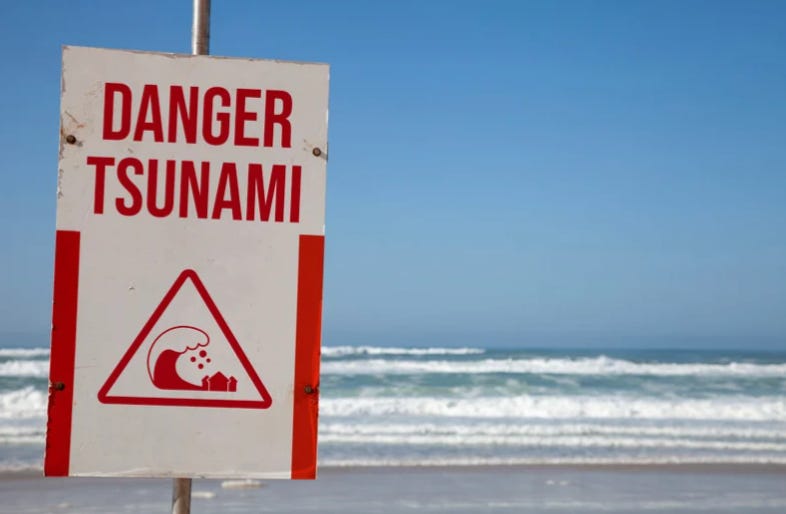
- This is one of the strongest earthquakesrecorded globally in recent years.
- While tsunami impacts have been mild so far in the US, beachgoers and boaters are advised to stay away from the coast.
- Officials warn that tsunami waves can continue for hours, often arriving in multiple, unpredictable surges.

Impact on the United States:
- Tsunami waves have already reached parts of Alaska and Hawaii, with smaller surges reported along the California and Oregon coastlines
- Waves ranged from 1 to 3 feet in height in most areas, but authorities have warned that strong currents and dangerous conditions may persist for hours
- The National Tsunami Warning Center issued alerts as far south as Santa Barbara, California
- No major damage or injuries have been reported in the US so far, but coastal evacuations were ordered in parts of Kodiak, Alaska
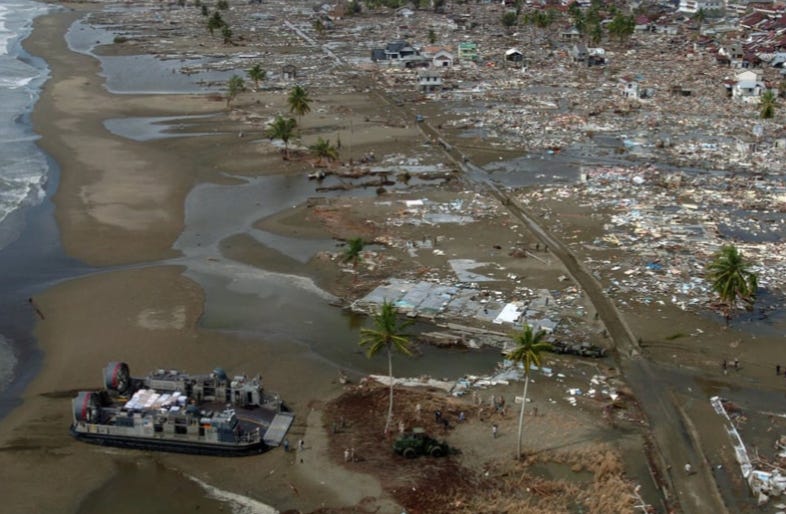
🇷🇺 What’s Happening in Russia
- Tsunami alerts were issued for coastal cities in the Kamchatka region, where local officials urged residents to move to higher ground.
- Power outages and communication issues were reported in some towns near the quake zone.
- No fatalities have been confirmed, but assessments are ongoing
📡 Tsunami Tracking and Alerts
- The Pacific Tsunami Warning Center continues to monitor wave activity across the Pacific Rim.
- Japan and other countries bordering the Pacific Ocean remain on high alert, especially in vulnerable coastal areas.
Quicker Bites:

- 🌍 BRICS Summit in Rio: Leaders from BRICS nations met in Brazil, with India set to take 2026 chairmanship.
- 🇬🇧 UK to Recognize Palestine: PM Keir Starmer signals formal recognition of Palestinian state in September unless Israel halts Gaza war.
- 🎨 Miami Culture Funding Crisis: Local arts groups oppose a proposed 50% cut in cultural grants- arguing every public dollar generates $42 in economic activity.
- 🖼️ Taiwanese Folk Craft Goes Global: Artist Zhang Xu Zhan revitalizes traditional zhizha (funeral paper effigies) by blending it into modern installations and works showcased internationally.
- 🇬🇧 Brit‑Culture Renaissance: A new wave of TV, fashion, and music has British youth embracing a modern Cool Britannia moment.
- 🏗️ Student Culture Shock in Europe: Nearly a third of international business students in Europe struggle with cultural integration- driving dropout risks despite academic readiness.




 Business Eye
Leave a comment